Line data is collected without construction work and builds up for use with AI.
Running on 100 lines today.
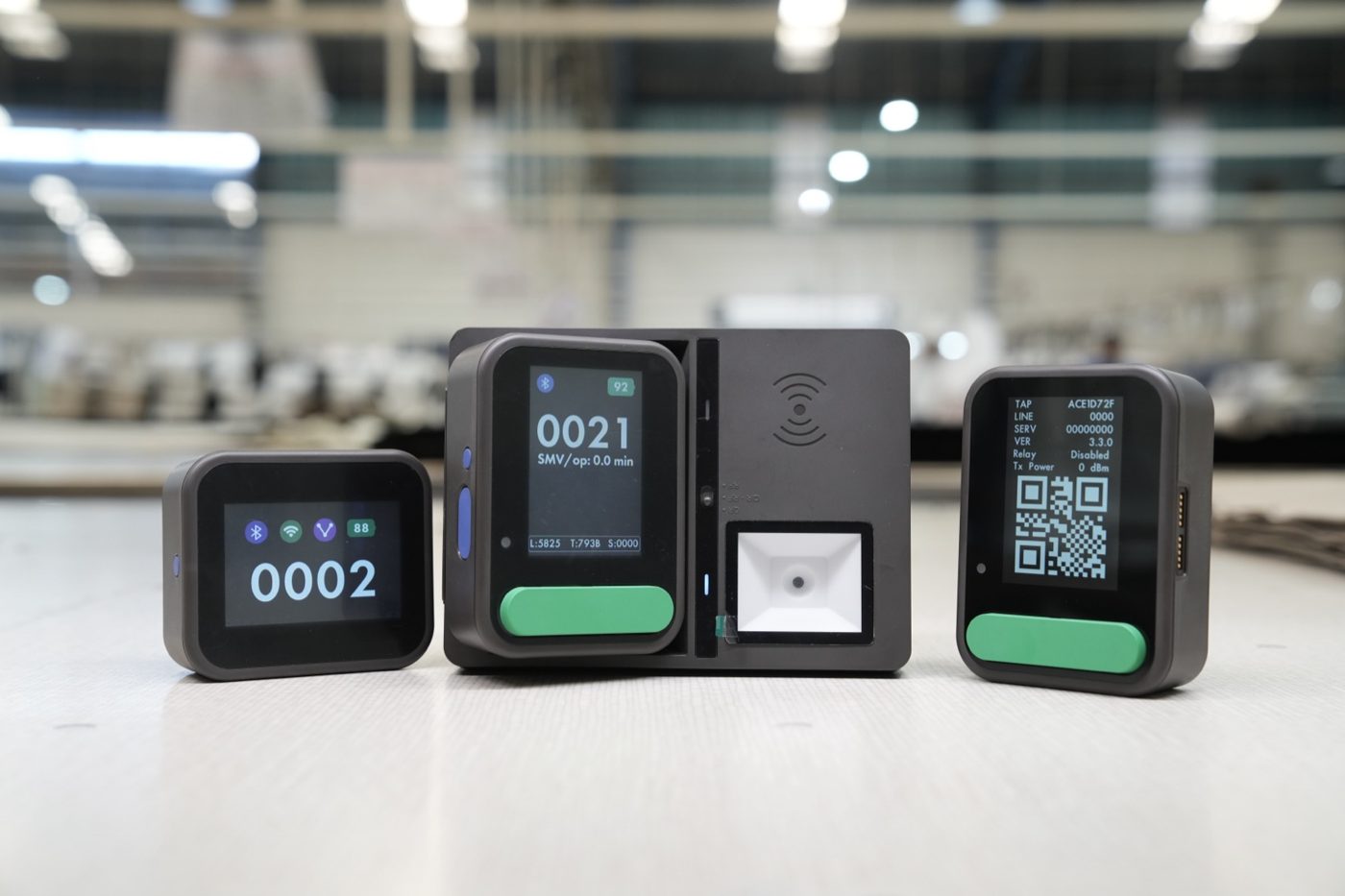
No server room, no cabling work, no new sewing machines to pay for. You start by putting the devices in place.
To use AI, you first need factory numbers in one consistent format. From the day the devices go in, line data builds up daily in that format, separately for each factory.
Put a device on the workstation and that line's numbers start coming in. Setup takes 7 min 30 s per line. When the number of lines increases or decreases, add or remove devices.
Approvals and attendance (SeamWork), buyer POs, material shipments, and export and import customs, on one platform.
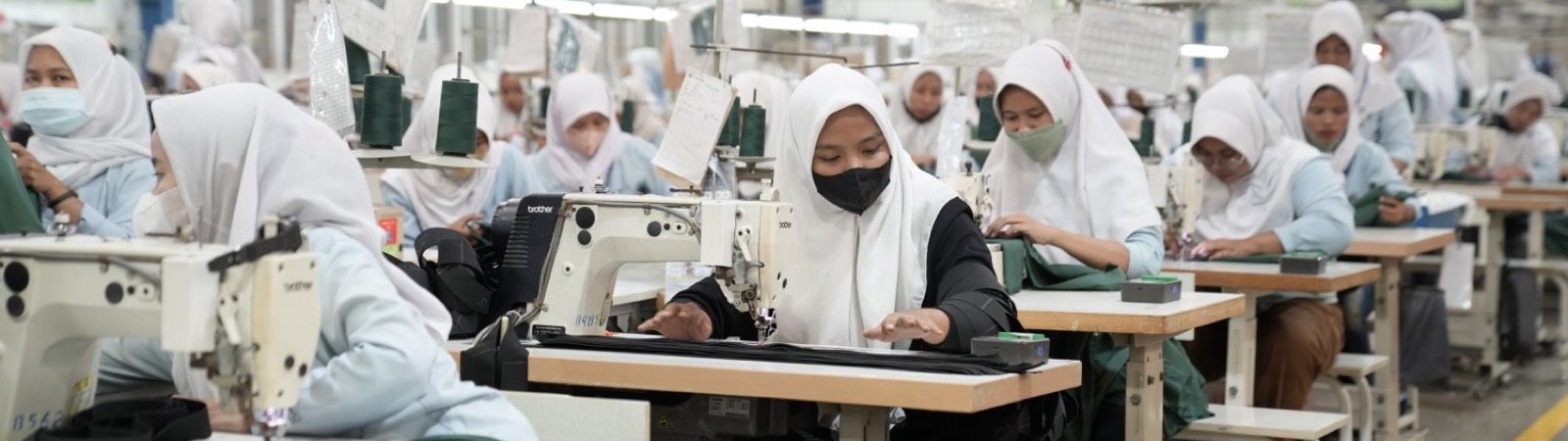
Consolidating takes that long. Every supervisor uses a different format, someone else collects them, and at least once someone has to go back and ask. The lines keep running through those two days.
You quote with them, and you balance lines with them. When did you last remeasure them?
The labor and time spent rebalancing the line at that point are not captured in any cost record. Next month, the cost sheet just says the order went well.
No cabling, no construction, no line stoppage. Operators keep doing the same job, pressing one button and scanning one QR code.
SeamStream devices on the workstations of a running sewing line
| Item | SeamStream | What it means |
|---|---|---|
| Installation per line | 7 min 30 s | Installation fits within a break |
| Cabling | None | Nothing touches your ceiling or floor |
| Line stoppage | None | Installed while your lines are running |
| New machines | Not needed | Keep the machines you already have |
With one source, the numbers match whether you look by brand or by color and size.
For this buyer's order this season, where are the black size-L pieces right now, and how many are there?
The answer comes up in one view.
Floor data is used to calculate cost, and that cost goes into the next quote.
See how far each line and building is past break-even.
Compare what you quoted against what you actually spent, style by style. Break it down into fabric, trim, and direct and indirect costs to see where the gap opened.
Once a style is confirmed, material requirements are calculated and the purchase order is generated from them. When that material arrives, the cycle starts again.
Line count as of October 2026; other figures as of 31 August 2026. Operating figures from a large garment factory floor in Indonesia.
Give us your number of sewing lines, and we'll come prepared for a factory your size.
Fill in these four fields and our team will reach out. Privacy policy